
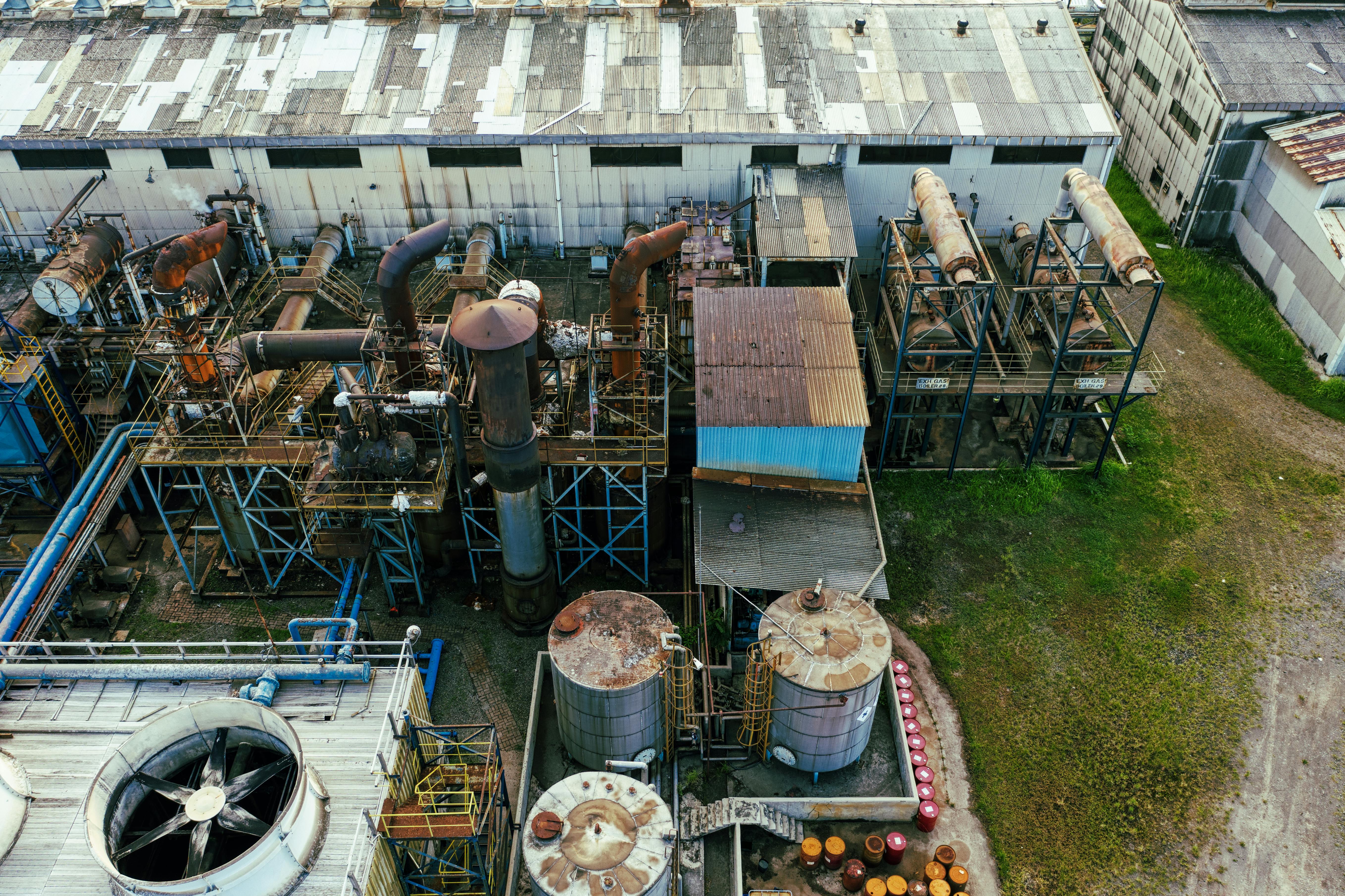
Surfactant manufacturing plays a crucial role in a multitude of industries, providing essential components that aid in the formulation of everyday products. Surfactants, or surface-active agents, are compounds that lower the surface tension between two substances, such as a liquid and a solid or a liquid and a gas. This unique ability makes them indispensable in sectors ranging from personal care and household cleaning to agriculture and industrial applications. Understanding the complexities of surfactant manufacturing can offer insights into its importance and the technological advancements driving this sector.
The Role of Surfactants
Surfactants are pivotal in numerous applications due to their ability to interact at interfaces. Their roles include:
- Emulsification: Stabilizing mixtures of oil and water, crucial in cosmetics and food products.
- Detergency: Enhancing the cleaning properties of detergents by breaking down and removing dirt and grease.
- Foaming: Creating and stabilizing foam, important in firefighting and personal care products.
- Wetting: Improving the spread of liquids on surfaces, used in coatings and agricultural sprays.
For an in-depth understanding of surfactant applications, read more about this topic.
The Manufacturing Process
The production of surfactants involves several intricate processes. The key stages include:
Raw Material Selection
The choice of raw materials is critical, impacting the surfactant’s properties and performance. These materials can be sourced from:
- Petrochemical origins: Derived from petroleum-based products.
- Renewable resources: Obtained from natural sources like fats and oils.
Selecting the appropriate raw materials can influence the sustainability and environmental impact of the final product. Find additional information here.
Chemical Synthesis
This phase involves transforming raw materials into surfactants through chemical reactions. Typical methods include:
- Sulfonation: Introducing a sulfonic acid group to hydrocarbons.
- Esterification: Reacting alcohols with acids to form esters.
These processes require precision and control to achieve the desired surfactant properties. Explore further insights here.
Formulation and Testing
After synthesis, surfactants are formulated into products that meet specific industry needs. Testing ensures these products perform effectively under various conditions. Important testing parameters include:
- Stability: Ensuring the product remains effective over time.
- Efficacy: Confirming the surfactant performs its intended function.
- Safety: Assessing the potential health and environmental impacts.
Learn more in this detailed guide.
Technological Advancements
The surfactant industry continuously evolves, driven by technological advancements and increased environmental awareness. Innovations focus on:
- Biodegradable surfactants: Developing eco-friendly options that reduce environmental impact.
- High-efficiency formulas: Creating products that require less surfactant to achieve the same performance.
- Green chemistry: Employing sustainable practices in manufacturing to minimize waste and energy use.
These advancements underscore the industry’s commitment to sustainability and efficiency. Learn more in this detailed guide.
The specialization in surfactant manufacturing is a cornerstone of modern industry. Its impact is far-reaching, influencing the efficiency and sustainability of countless products. As the sector continues to innovate, the importance of understanding and advancing surfactant technology becomes ever more apparent. For those interested in the intricacies of surfactant manufacturing, further exploration of the field offers valuable insights into its ongoing evolution.
