
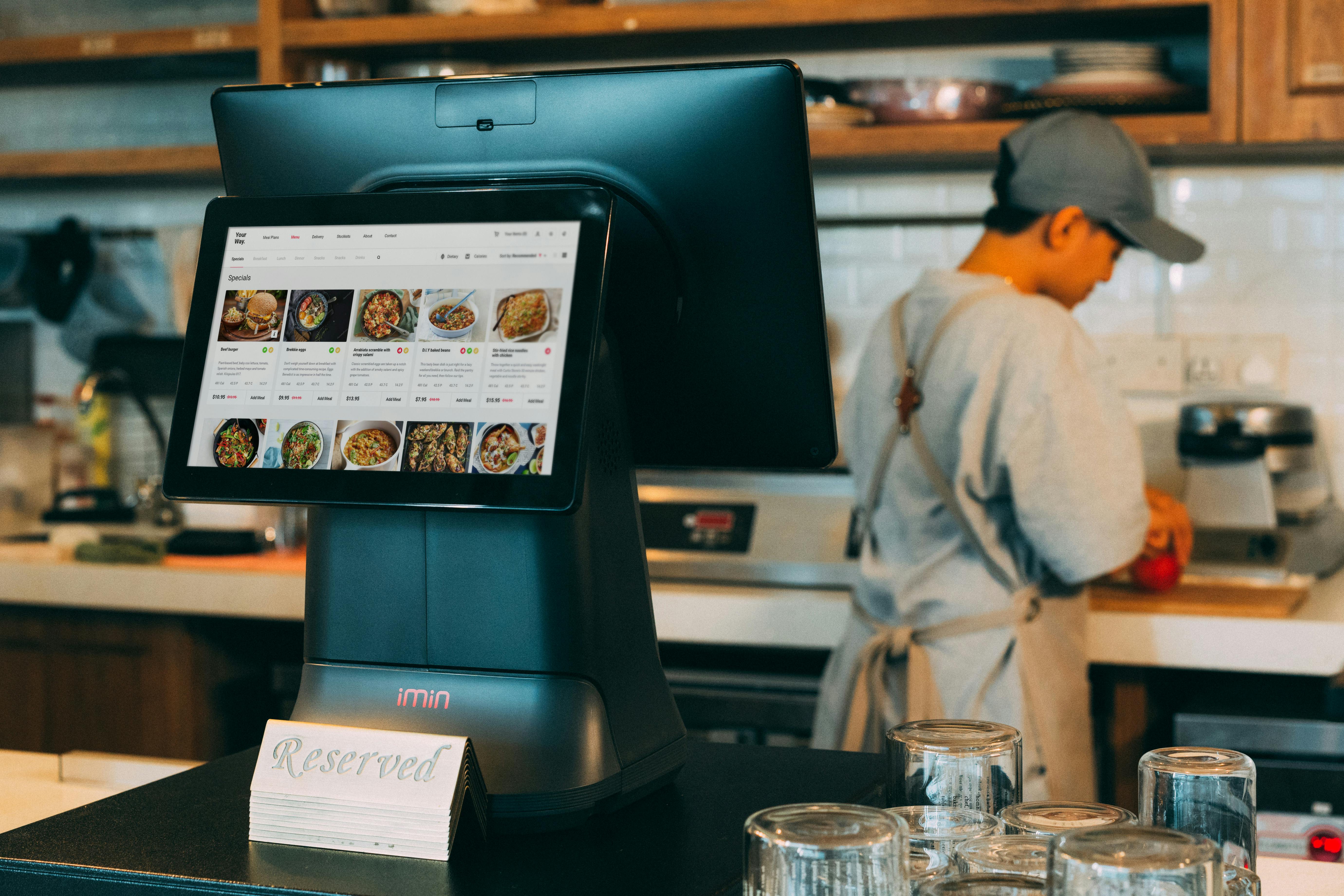
In today’s fast-paced digital landscape, menu management has evolved beyond traditional paper menus to embrace more dynamic and interactive solutions. The integration of user-friendly software has revolutionized the way businesses handle menu management, offering an efficient and effective means to update and display menu items. This transformation not only enhances customer experience but also streamlines operations for businesses of all sizes. By adopting cutting-edge menu management software, businesses can ensure accuracy, flexibility, and ease of use, ultimately leading to enhanced customer satisfaction and operational efficiency.
Understanding Menu Management Software
Menu management software is designed to simplify the process of creating, updating, and managing menus across various platforms. This software offers a comprehensive solution that includes features such as:
- Real-time updates for menu changes.
- Integration with point-of-sale (POS) systems for seamless transactions.
- Customizable templates for menu design.
- Mobile-friendly interfaces for easy access and management.
- Inventory management to ensure availability of menu items.
Such features enable businesses to maintain consistency and accuracy in their menu offerings, while also providing flexibility to adapt to changing trends and consumer preferences. Learn more in this detailed guide (https://www.hd2menus.tv/).
Benefits of User-Friendly Software
Implementing user-friendly software for menu management comes with a myriad of benefits that enhance both customer experience and business operations. Some of the key advantages include:
Enhanced Customer Experience
With dynamic menu displays, customers can easily navigate through menu options, making informed decisions based on updated information. Features such as allergen alerts and nutritional information further empower customers to make choices that align with their dietary needs. Explore further insights here (https://www.hd2menus.tv/).
Operational Efficiency
User-friendly software reduces the time and effort required to update menus. Automated processes ensure that changes are reflected across all platforms instantly, minimizing the risk of errors and miscommunication. This efficiency translates into significant time savings for staff, allowing them to focus on delivering superior customer service.
Implementing Menu Management Software
Transitioning to a digital menu management system can be seamless if approached strategically. Here are steps to consider:
- Assess your current menu management process and identify areas for improvement.
- Select software that aligns with your business needs and integrates with existing systems.
- Train staff to ensure they are comfortable navigating and utilizing the software.
- Regularly update the software to incorporate new features and security enhancements.
For businesses considering this transition, find additional information here.
Challenges and Considerations
While the benefits are substantial, there are challenges to consider when adopting menu management software. These may include:
- The initial investment in software and hardware.
- Training staff to adapt to new systems.
- Ensuring data security and privacy.
Despite these challenges, the long-term benefits of improved efficiency and customer satisfaction often outweigh the initial hurdles. Read more about this topic (https://www.hd2menus.tv/).
Conclusion
The adoption of user-friendly menu management software is a strategic move for businesses looking to enhance their service delivery and operational efficiency. By leveraging technology, businesses can provide customers with a seamless and engaging experience while also benefiting from streamlined processes and reduced operational complexities. As the digital landscape continues to evolve, embracing such technology becomes not just an option, but a necessity for staying competitive in the market.
