
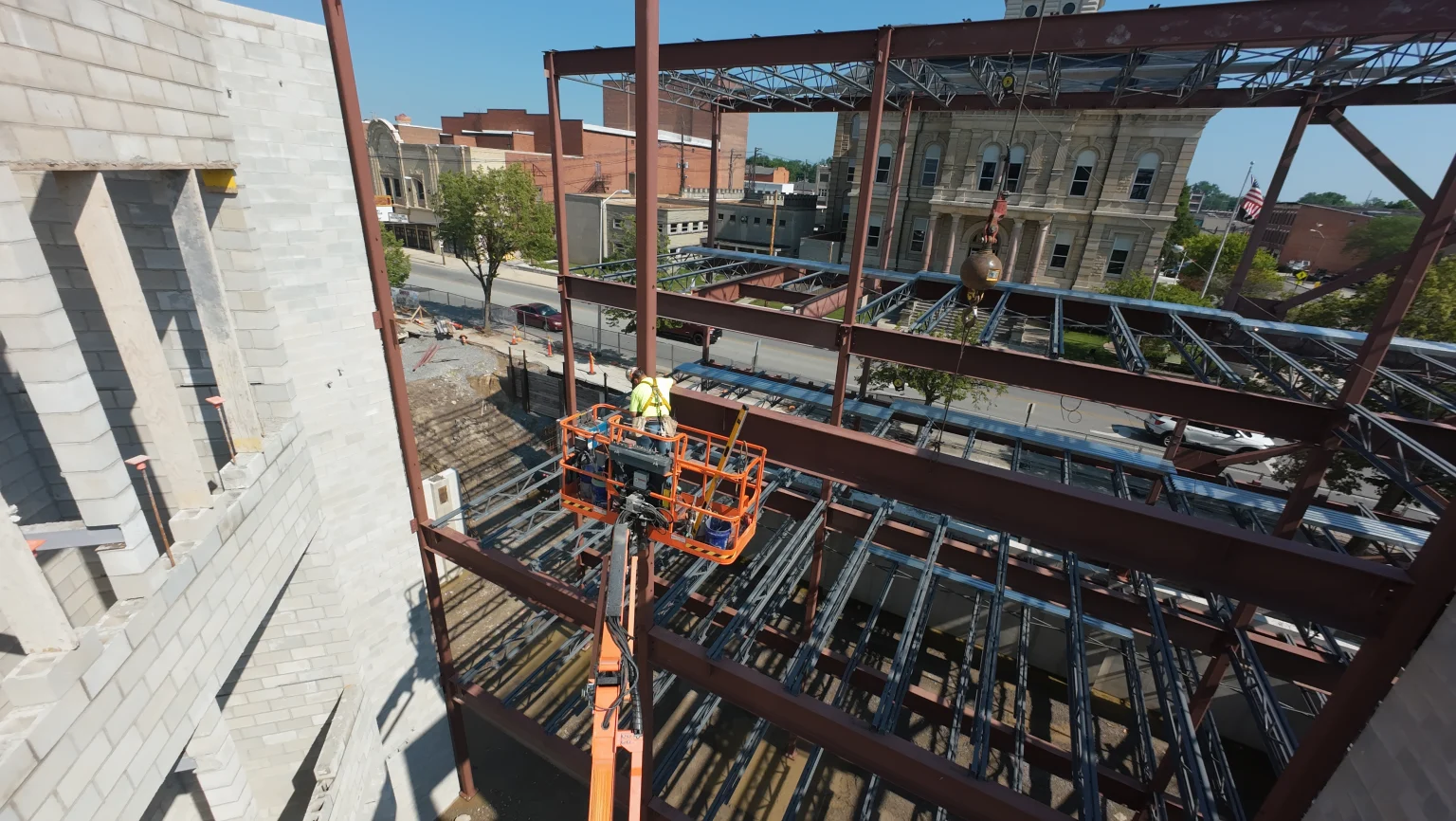
In the dynamic landscape of construction, effective project management remains a cornerstone for success. This complex field requires a blend of strategic planning, rigorous execution, and adaptive problem-solving skills. The techniques employed in construction project management are essential for delivering projects on time, within budget, and to specified quality standards. Understanding and applying these methodologies is crucial for project managers seeking to optimize resources and streamline operations.
Comprehensive Planning and Scheduling
At the heart of any successful construction project is comprehensive planning and scheduling. This process involves:
- Defining project scope and objectives.
- Developing a detailed work breakdown structure (WBS).
- Establishing a realistic timeline with milestones.
- Allocating resources effectively to avoid bottlenecks.
By setting clear expectations and creating a roadmap, project managers can ensure that all stakeholders are aligned. Read more about this topic.
Effective Communication and Collaboration
Communication is vital in construction project management. It ensures that information flows seamlessly between all parties involved, from architects and engineers to subcontractors and clients. Techniques include:
- Regular meetings to update all parties on project progress.
- Utilizing digital platforms for real-time communication.
- Documenting all communications to maintain a clear record.
By fostering open lines of communication, project managers can quickly address issues as they arise. Learn more in this detailed guide.
Risk Management and Mitigation
Risk management is a proactive approach to identify potential issues before they become problems. Key strategies include:
- Conducting a thorough risk assessment at the project outset.
- Developing contingency plans for identified risks.
- Regularly reviewing and updating risk management plans.
These steps help in minimizing disruptions and ensuring project continuity. Explore further insights here.
Quality Control and Assurance
Maintaining high-quality standards is non-negotiable in construction. Quality control and assurance involve:
- Setting stringent quality benchmarks and specifications.
- Conducting regular inspections and audits.
- Implementing corrective actions for non-compliance.
Quality management ensures that the final output meets client expectations and industry standards. Find additional information here.
Utilization of Technology
Technology plays an increasingly significant role in enhancing construction project management. Incorporating technology can lead to:
- Improved design and visualization through BIM (Building Information Modeling).
- Enhanced project tracking and control using project management software.
- Efficient resource management with the help of AI and IoT.
By leveraging technology, project managers can gain better insights and streamline processes. Read more about this topic.
Conclusion
Effective construction project management is a multifaceted discipline that requires a structured approach, informed decision-making, and continuous improvement. By applying proven techniques such as comprehensive planning, effective communication, risk management, quality control, and leveraging technology, project managers can significantly enhance the likelihood of project success. The integration of these methodologies not only ensures the timely and budget-friendly completion of projects but also upholds the quality and safety standards expected in the industry. Explore further insights here.
