
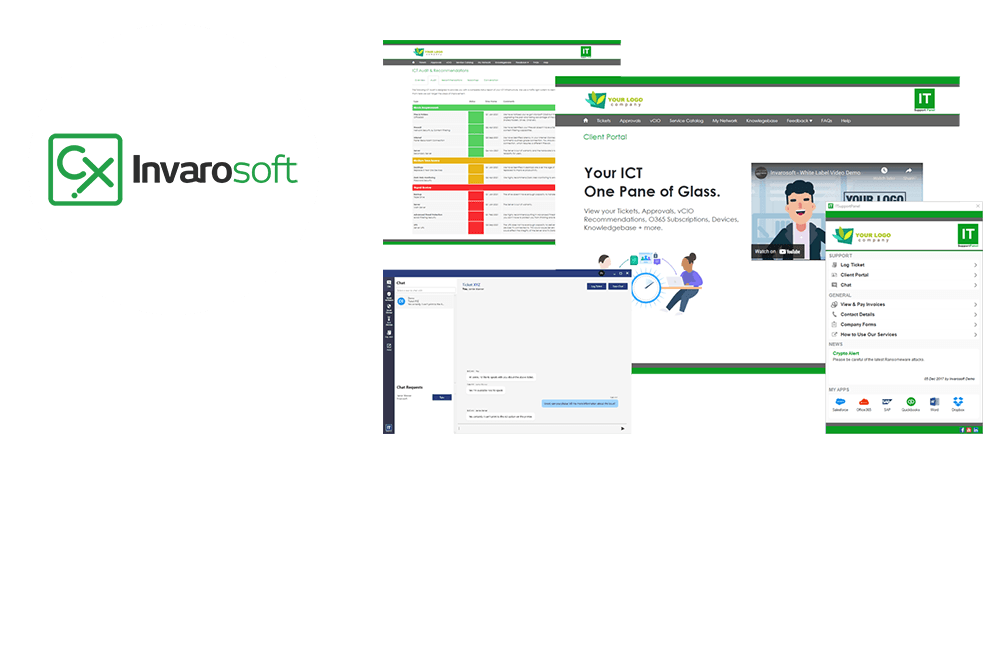
The rapid evolution of Managed Service Provider (MSP) technology has created a dynamic landscape that requires continuous adaptation and innovation. As businesses increasingly rely on digital solutions to enhance operations, the demand for efficient, comprehensive MSP stacks has soared. These technological frameworks are essential for delivering scalable, secure, and seamless IT services. This article delves into the latest trends in MSP stack technology, highlighting the key advancements and strategies that are shaping the future of managed services.
Cloud-Based Solutions
The shift towards cloud-based solutions has been a significant trend in the evolution of MSP stacks. Cloud technology offers numerous benefits, including flexibility, scalability, and cost-efficiency, making it an attractive option for many businesses. The adoption of cloud services allows MSPs to:
- Offer on-demand resources that can be easily scaled to meet client needs.
- Provide robust disaster recovery and backup solutions.
- Enhance data security through advanced encryption and monitoring tools.
With cloud technology becoming a cornerstone of msp stack offerings, providers must continually refine their cloud strategies to remain competitive.
Integration and Automation
Integration and automation are pivotal in optimizing MSP operations. By leveraging integrated platforms, MSPs can streamline their processes, reduce manual workloads, and enhance service delivery. Key advancements in this area include:
- Automated ticketing systems and workflows that improve response times and efficiency.
- Unified dashboards that provide real-time insights into system performance and health.
- Seamless integration with third-party applications to enrich service offerings.
As these technologies advance, MSPs are better equipped to offer proactive and predictive maintenance, reducing downtime and improving client satisfaction.
Cybersecurity Enhancements
The increasing prevalence of cyber threats has made cybersecurity a critical component of any MSP stack. Recent trends emphasize the importance of advanced security measures to protect client data and systems. Notable enhancements in this field include:
- Implementation of zero-trust security models to minimize vulnerabilities.
- Incorporation of AI-driven threat detection and response systems.
- Comprehensive endpoint protection to safeguard all network devices.
These enhancements ensure that MSPs can offer robust security solutions, which are essential in maintaining trust and compliance in today?s digital environment.
Data Analytics and Insights
Data analytics has become a vital component of the modern MSP stack, enabling providers to deliver data-driven insights that fuel business growth and efficiency. The current trends in data analytics focus on:
- Advanced data processing tools that facilitate real-time analysis.
- Predictive analytics that help anticipate client needs and optimize resource allocation.
- Enhanced reporting capabilities that provide actionable insights into operational performance.
By harnessing the power of data, MSPs can create more personalized and effective strategies for their clients, driving better outcomes and fostering long-term partnerships.
Conclusion
The evolution of MSP stack technology is marked by significant advancements in cloud computing, automation, cybersecurity, and data analytics. These trends reflect a broader shift towards more integrated, efficient, and secure service offerings, enabling MSPs to meet the growing demands of their clients. As the technology landscape continues to evolve, staying abreast of these trends is essential for MSPs aiming to maintain their competitive edge and deliver exceptional value. For further insights into optimizing technology stacks, exploring the latest tools and strategies is crucial for sustained success.
