
Sexually transmitted diseases (STDs) and sexually transmitted infections (STIs) are significant public health concerns worldwide. Early detection and treatment are crucial in managing these infections and preventing their spread. The Food and Drug Administration (FDA) plays a pivotal role in ensuring the safety, efficacy, and reliability of diagnostic tests for STDs and STIs. This article delves into the various FDA-approved testing options available today, providing insights into their importance, types, and accessibility.
Importance of FDA Approval
FDA approval is a benchmark of quality and reliability in the realm of medical diagnostics. When a test receives FDA approval, it signifies that the test has been rigorously evaluated for accuracy, reliability, and safety. This ensures that patients receive dependable results, allowing healthcare providers to make informed decisions about treatment and management.
Types of STD/STI Tests
Blood Tests
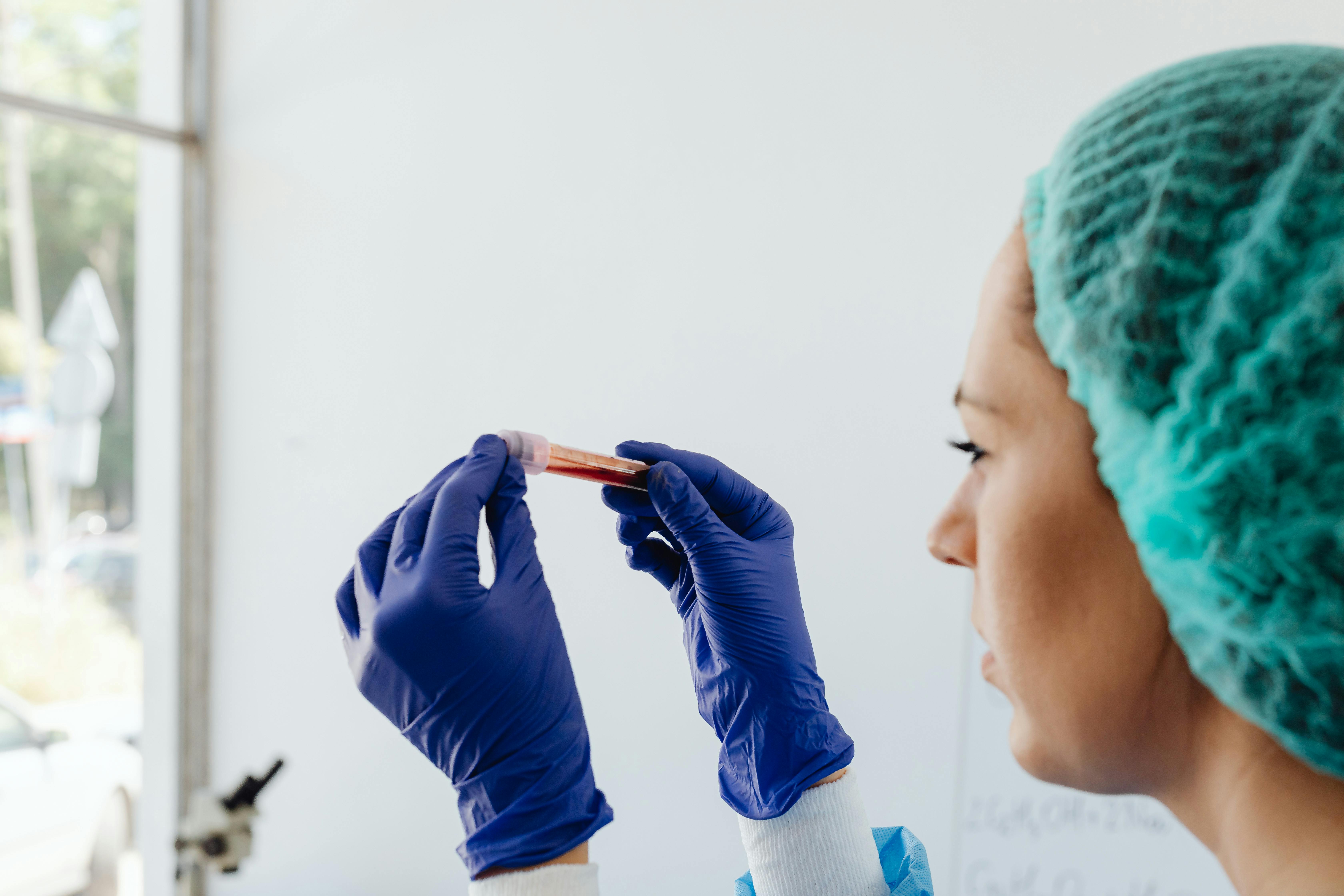
Blood tests are commonly used to detect the presence of antibodies or antigens related to specific STDs, such as HIV, syphilis, and hepatitis B and C. These tests involve drawing a blood sample, which is then analyzed in a laboratory setting. Blood tests are generally reliable and provide results within a few days.
Urine Tests
Urine tests are non-invasive and are often used to detect infections such as chlamydia and gonorrhea. These tests require the patient to provide a urine sample, which is then analyzed for the presence of bacteria or viruses. Urine tests are convenient and can be a preferred option for individuals seeking privacy and comfort.
Swab Tests
Swab tests involve collecting samples from affected areas such as the genital, rectal, or throat regions. These samples are used to detect infections like herpes, chlamydia, and gonorrhea. Swab tests are particularly useful when symptoms are localized, and they offer accurate results for diagnosing infections.
Advantages of FDA-Approved Tests
- Accuracy: Ensures that tests provide reliable results, minimizing false positives or negatives.
- Safety: Meets stringent safety standards to protect patients during the testing process.
- Reliability: Provides consistent results across different populations and settings.
- Confidence: Healthcare providers can trust the results for effective diagnosis and treatment planning.
For more information on the advantages of FDA-approved tests, learn more in this detailed guide.
Access to Testing Options
Access to STD/STI testing is critical in managing public health. FDA-approved tests are widely available through various healthcare providers, clinics, and laboratories. Many facilities offer confidential testing services, ensuring privacy and discretion for individuals seeking testing.
At-Home Testing Kits
At-home testing kits are gaining popularity as a convenient and private option for individuals. These kits allow users to collect samples at home and send them to a laboratory for analysis. Some FDA-approved at-home tests provide results within days, offering a balance between convenience and reliability.
To explore further insights into at-home testing options, explore further insights here.
Community Health Centers
Community health centers often provide testing services at reduced costs or even free of charge. These centers play a crucial role in improving access to STD/STI testing, especially for underserved populations. They also offer counseling and education, empowering individuals with knowledge about prevention and treatment.
For additional information on the role of community health centers, find additional information here.
Conclusion
FDA-approved STD/STI testing options are essential tools in the fight against sexually transmitted infections. These tests provide accurate, reliable, and safe means of diagnosis, enabling timely treatment and management. By understanding the types of tests available and their benefits, individuals can make informed decisions about their sexual health. Accessibility to these tests through various platforms, including at-home kits and community health centers, further enhances public health efforts in controlling the spread of STDs and STIs.
To read more about this topic and stay informed, read more about this topic.
