
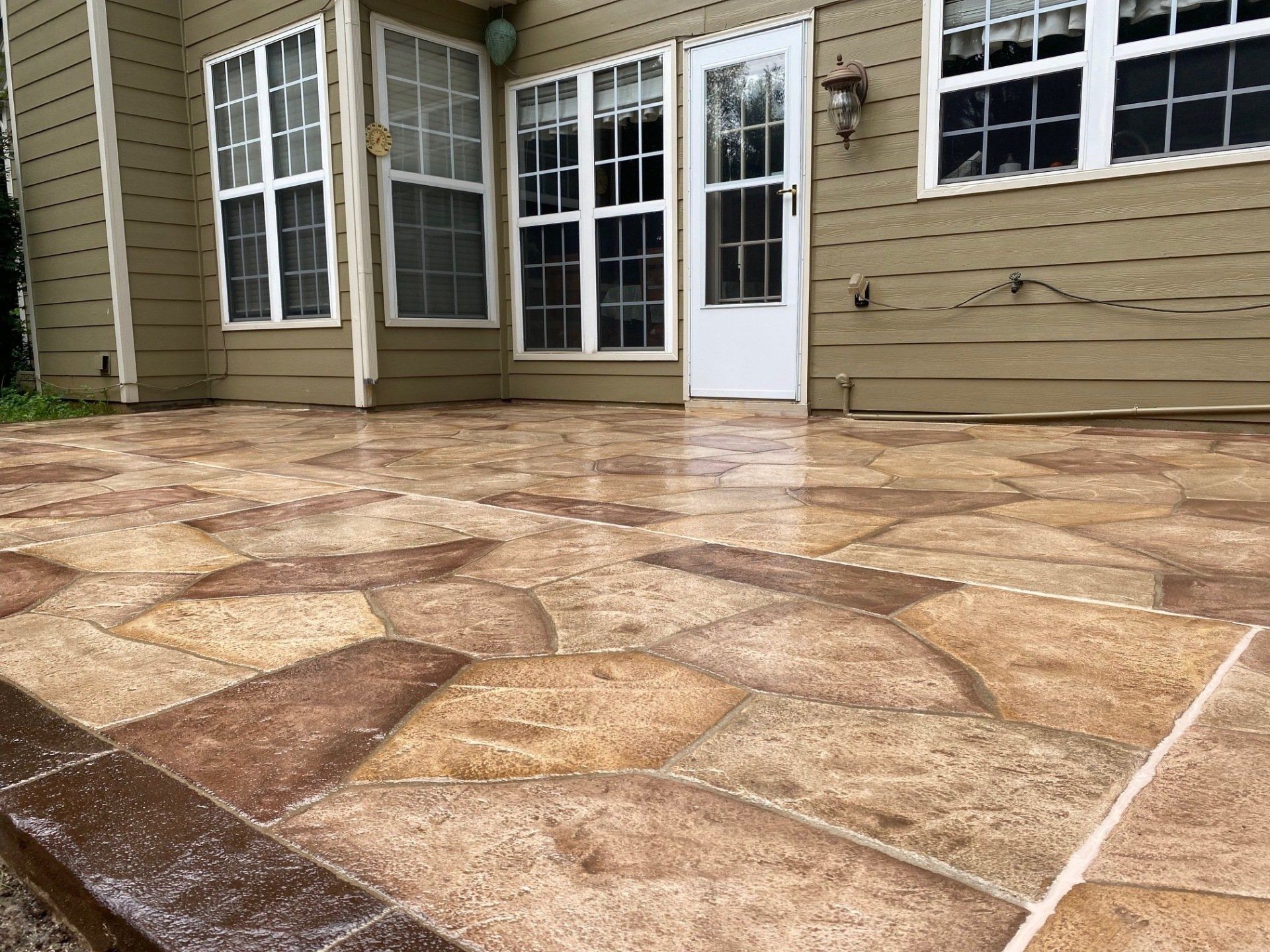
Creating a welcoming path to a home or business is not just about aesthetics; it is a fundamental aspect of the property”?s appeal and functionality. Concrete walkways offer the perfect blend of durability, versatility, and style. Whether enhancing curb appeal or providing safe, accessible paths, a professionally installed concrete walkway stands out as an excellent choice. With the advancement of techniques and materials, these walkways can be customized to fit any design preference, offering both form and function.
The Benefits of Concrete Walkways
Concrete walkways are increasingly popular due to their numerous advantages. Here are some key benefits:
- Durability: Concrete is known for its long lifespan and resistance to weather conditions, making it an ideal choice for walkways.
- Low Maintenance: Once installed, concrete requires minimal upkeep, saving time and resources in the long run.
- Customization: With various available finishes, colors, and patterns, concrete can be tailored to match any landscape design.
- Cost-Effective: Compared to other materials, concrete offers an affordable solution without compromising on quality and aesthetics.
Design Options for Concrete Walkways
The versatility of concrete allows for a wide range of design options, enabling property owners to achieve a unique look. Consider the following possibilities:
- Stamped Concrete: This technique involves imprinting patterns into the concrete to resemble materials like brick, stone, or wood. Discover expert strategies here.
- Colored Concrete: Integrating color into concrete can enhance its appearance, offering a vibrant or subtle look that complements the surrounding environment.
- Exposed Aggregate: By removing the top layer of concrete, the underlying aggregate is exposed, creating a textured and visually appealing surface.
Steps to a Successful Concrete Walkway Installation
The installation process is crucial to ensure the walkway’s longevity and performance. Here are the essential steps involved:
- Planning and Design: Determine the walkway’s path, width, and design features, considering the landscape and usage requirements. Learn about our tailored solutions.
- Site Preparation: Proper site preparation involves clearing the area, leveling the ground, and setting up forms to shape the concrete.
- Pouring and Finishing: Concrete is poured into the forms and then smoothed and finished according to the selected design option.
- Curing: Allow the concrete to cure properly to achieve maximum strength and durability.
Maintaining Your Concrete Walkway
Proper maintenance ensures the longevity and appearance of a concrete walkway. Consider the following maintenance tips:
- Regular Cleaning: Remove debris and stains regularly to prevent buildup and maintain the walkway’s appearance.
- Sealing: Apply a concrete sealant every few years to protect against moisture and wear. Explore advanced guides and tips.
- Addressing Repairs: Promptly fix any cracks or damages to prevent further deterioration.
Conclusion
Installing a concrete walkway is a wise investment that enhances both the aesthetic and functional aspects of a property. With a range of design options, property owners can achieve their desired look while benefiting from concrete’s durability and low maintenance. Find out more about this approach to ensure a successful installation that stands the test of time. By following the right steps from planning to maintenance, a concrete walkway can provide a beautiful and practical solution for years to come.
