
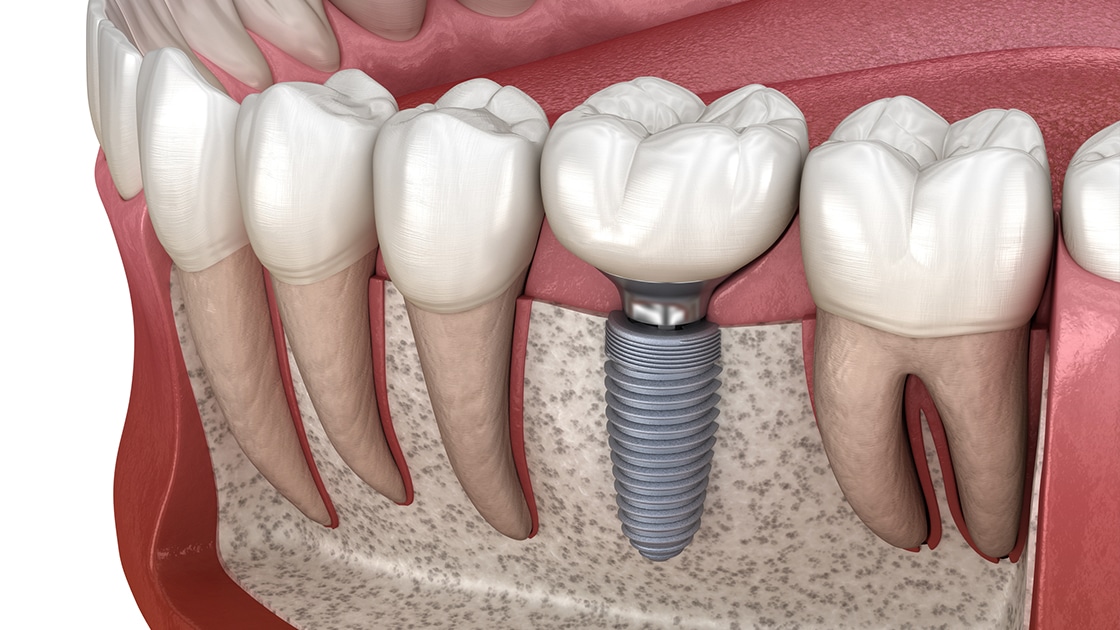
Dental health solutions have evolved significantly over the years, bringing forth a variety of options for individuals in need of tooth replacements. Among the most prevalent choices are dental implants and dental bridges. Understanding the differences and benefits of each can help individuals make informed decisions about their oral health. In comparing dental implants with bridges, several factors such as cost, durability, and overall oral health impacts are significant. This article delves into these considerations to provide a comprehensive overview.
What are Dental Implants?
Dental implants are a modern solution designed to replace missing teeth with a structure that mimics natural teeth. Implants are surgically placed into the jawbone and serve as a sturdy base for artificial teeth.
- They consist of a titanium post that acts as a tooth root.
- A connecting abutment and a prosthetic crown complete the restoration.
- Implants offer a long-term solution with proper care.
For detailed insights on how dental implants work and their benefits, explore advanced guides and tips.
Understanding Dental Bridges
Dental bridges are another popular option for replacing missing teeth, particularly when the surrounding teeth are healthy enough to support the bridge structure.
- Bridges typically involve two crowns placed on either side of the gap.
- A false tooth (or teeth) is anchored in between.
- This method is generally less invasive than implants.
To see how bridges can specifically address your needs, discover expert strategies here.
Comparing Durability and Longevity
When it comes to durability and longevity, dental implants tend to have an advantage over bridges. Implants, when properly maintained, can last a lifetime, whereas bridges may need replacement after several years.
- Implants fuse with the jawbone, offering a stable and permanent solution.
- Bridges rely on the strength and health of surrounding teeth.
- Regular dental check-ups are crucial for both options to ensure longevity.
For a comprehensive understanding of how each option can serve your dental health needs, find out more about this approach.
Cost Considerations
Cost is often a significant factor when deciding between dental implants and bridges. Typically, the upfront cost of dental implants is higher, but they may provide more value over time.
- Initial expenses for implants include surgery and materials.
- Bridges might be more affordable initially but could require future replacements.
- Insurance coverage can vary for both procedures, so it is important to verify with providers.
For personalized solutions regarding cost and coverage, learn about our tailored solutions.
Oral Health Implications
Both dental implants and bridges have implications for an individual’s oral health, influencing factors like bone health and the condition of remaining natural teeth.
- Implants can help preserve jawbone density, preventing bone loss.
- Bridges require the alteration of adjacent teeth, which could impact their health.
- Maintaining excellent oral hygiene is crucial for the success of both options.
To better understand how these treatments affect oral health, explore advanced guides and tips.
In conclusion, both dental implants and bridges have unique advantages and considerations. The choice between the two should be informed by personal needs, health conditions, and professional dental advice. By understanding the differences and seeking guidance, individuals can achieve optimal dental health outcomes.
